
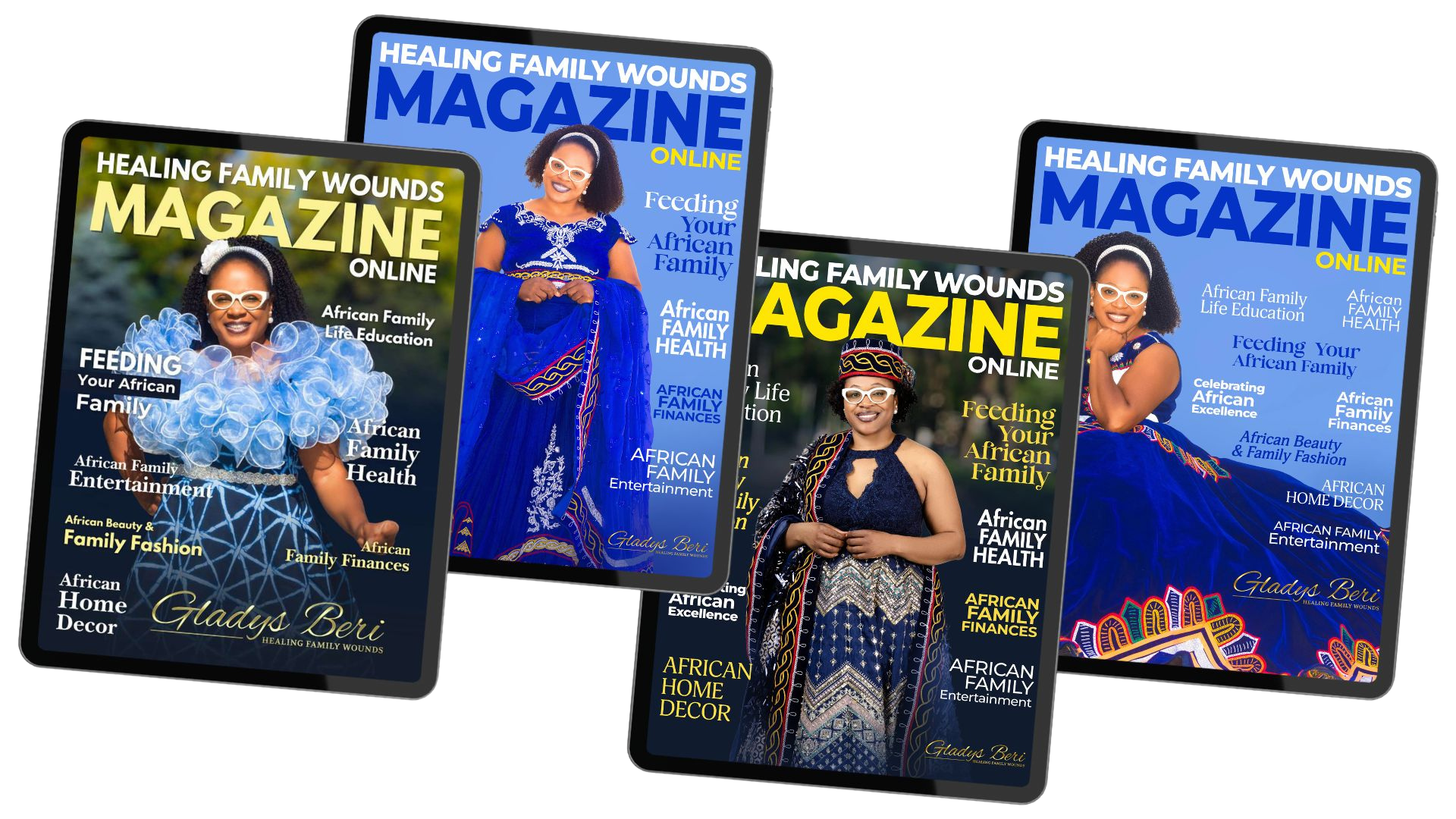
Healing Family Wounds Magazine
SPRING 2026 EDITION
Where African families move from survival to wholeness—together.
In African homes, healing often begins quietly.
With a hand through a child’s hair.
With a story told in fabric.
With a conversation that was never modeled—but deeply needed.
The Spring 2026 edition of Healing Family Wounds Magazine invites African families across the diaspora into a sacred, practical, and culturally grounded exploration of identity, beauty, leadership, mental health, money, and love across generations.
This is not just lifestyle content.
This is intergenerational repair.
For African Couples
Success without emotional safety is not success.
This issue speaks directly to professional and executive African couples who are thriving externally while quietly unraveling at home.
You’ll explore:
- The hidden legacy of colonial family systems on intimacy
- Why financial solvency often coexists with relational loneliness
- How leadership at work fails when not translated into partnership at home
- A decolonized framework for collaboration, and emotional safety
This is not about blame.
It’s about upgrading the operating system of your marriage.


For African Youth & Teens
“The formative years are the first mirror.”
Youth readers are gently guided through:
- Identity resilience in the face of exclusion
- Understanding emotional expression beyond punishment or shame
- Recognizing that anger, withdrawal, or defiance may be pain asking to be seen
This section equips caregivers and youth alike with language that replaces correction with curiosity—and judgment with empathy.
For Elders
When beauty becomes memory, elders become medicine.
Elders are honored not as relics of the past, but as living archives of survival and wisdom. This issue explores:
- Late-life depression and emotional isolation in the diaspora
- The cost of modernization on intergenerational bonds
- How rituals of care restore dignity, identity, and belonging
The greatest act of love for elders is participation—listening, touching, remembering.


FOR African Family Health
Depression is not a moral failure. It is a systemic health issue.
Using a culturally grounded family-systems lens, this section breaks silence around depression across:
- Adolescents (where pain often looks like anger)
- Parents (where distress hides behind overwork or somatic symptoms)
- Elders (where grief and isolation go unseen)
The issue reframes resilience as collective responsibility, not individual endurance.
FOR African Family Finances
Money remembers what families never processed.
This issue challenges surface-level financial literacy and introduces:
- The psychology of money in African families
- How trauma, scarcity, and self-worth shape financial behavior
- Pathways toward healing financial shame and building legacy
Wealth is reframed as a tool for freedom, stability, and intergenerational repair.


African Home Décor
When Art Becomes Ancestral Memory
- African art as a language of lineage, identity, and continuity
- How carved masks, woven textiles, stools, symbols, and sacred objects carry stories of community, cosmology, survival, and values
- The role of art in daily life as a teacher, a witness, and a keeper of memory
- Ways African home décor restores cultural grounding for families in the diaspora
- How living spaces become places of belonging, dignity, and remembrance
Celebrating African Excellence
From Persistence to Purpose and Mentorship
In this special feature of Healing Family Wounds Magazine, we honor African excellence through the journey of Dr. Ivo Ditah, a story shaped by resilience, compassion, and an unwavering commitment to service. After failing his first entrance exam to medical school in Cameroon, Dr. Ditah chose perseverance over defeat, transforming disappointment into determination.
Raised in a context where healthcare was a privilege, he witnessed preventable loss among loved ones, igniting a lifelong calling to alleviate human suffering. His early clinical work caring for critically ill HIV and AIDS patients in Cameroon, where gastrointestinal disease was a leading cause of death, shaped a philosophy of care rooted in dignity, empathy, and presence. Trained at Mayo Clinic and refined through research at the University of Cambridge, Dr. Ditah now practices as a leading gastroenterologist in the United States at HealthPartners.
Beyond personal achievement, his legacy continues through a youth mentorship program for aspiring African medical students. His journey reminds us that true excellence is not only reaching the summit, but guiding others upward.


African Men’s Corner
Leadership Beyond Endurance, Sacrifice, and Burnout
In many African families, men are taught to lead through endurance. To carry weight without complaint. To provide without rest. To remain silent even when it costs their mental and physical health. In this reflective feature, Healing Family Wounds Magazine creates space for a quieter truth about African men and the inherited expectations that have shaped them as husbands, fathers, sons, and community leaders. This is an invitation to move beyond survival and toward a more effective and sustainable vision of leadership.
- How over responsibility and emotional suppression lead to burnout and disconnection
- A redefinition of power from dominance to stewardship and sustainability
- Why rest, reconnection, and emotional presence are essential for family wellbeing
- Pathways supporting African men in building meaningful and lasting connections
African Beauty Across the Family Life Cycle
In the African family, beauty is never surface level. It is memory, medicine, and belonging. Passed through hands, stories, rituals, and presence, beauty becomes one of the earliest ways we learn who we are and where we come from. In this featured series, Healing Family Wounds Magazine invites families to reflect on how beauty rituals shape identity across the lifespan and quietly protect against cultural erasure in the diaspora.
This series explores how hair rituals in childhood and adolescence become anchors of affirmation and belonging, how African adults carry beauty as resistance and remembrance rather than performance, and how elders transmit dignity, legacy, and cultural sovereignty through dress and embodied presence. It also reframes conversations about appearance, transforming correction and comparison into healing dialogue and connection.
When African families reclaim beauty as relational rather than performative, ordinary rituals become sites of healing. Homes become places of memory and protection. Across generations, beauty reminds us that we belong to ourselves, to our people, and to a legacy far older than the present moment.

Why This Magazine Matters
Because silence has cost us too much.
Because love without safety is not enough.
Because African families deserve frameworks that reflect who we are—not who we were forced to become.
Healing Family Wounds Magazine exists to help families:
- Name what was inherited
- Heal what was unspoken
- Build what was never modeled
Who This Is For
African youth & teens seeking identity affirmation
African couples navigating love, power, and partnership
Elders longing for dignity, connection, and legacy
Therapists, educators, faith leaders, and facilitators
Families committed to healing—not just surviving
Featured Authors & Contributors

Dr. Richard Oni
PIRIMN.ORG

Dr. Ivo Ditah
Youth Mentorship Program
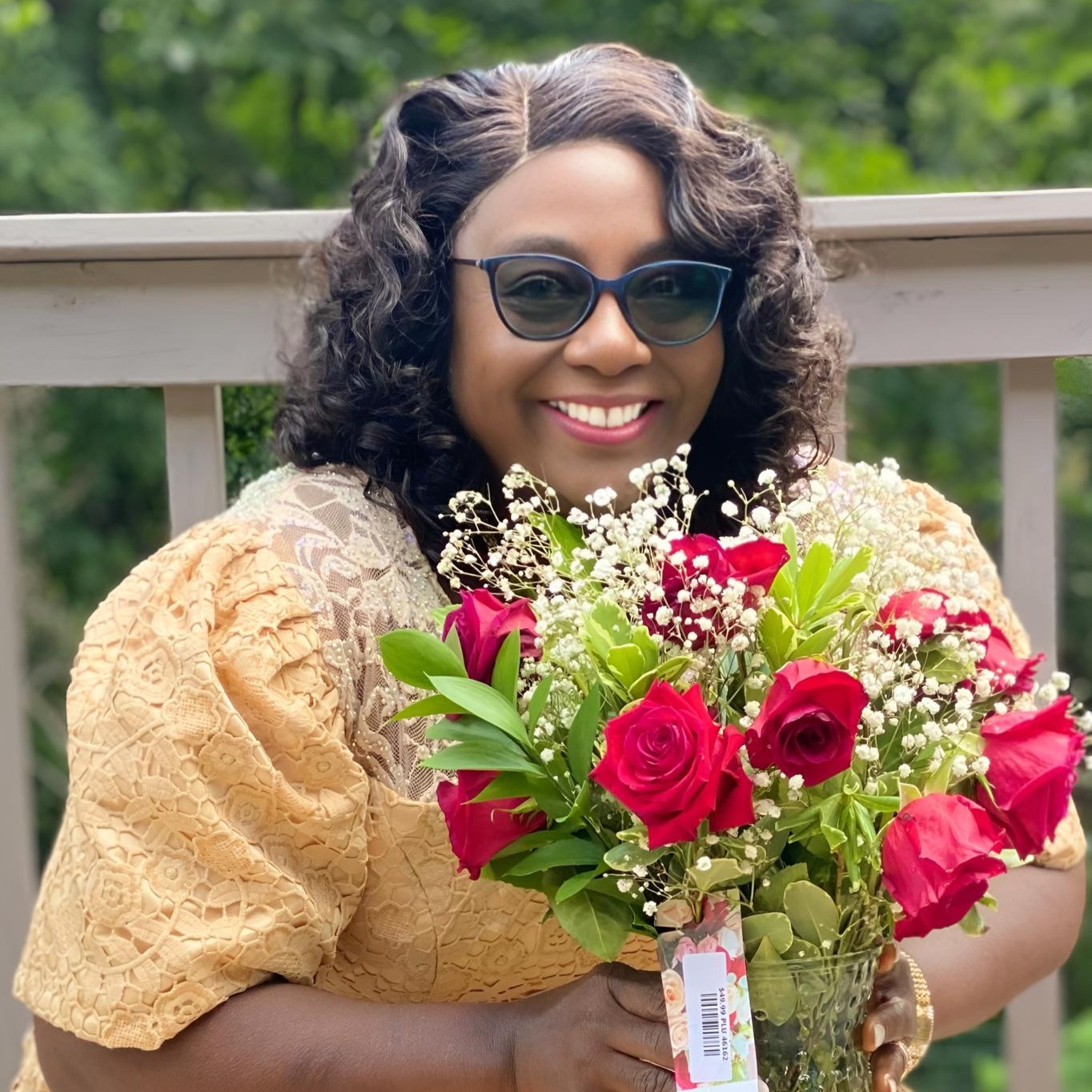
Dr. Florence Njoyi
AFROCAREMN

Ambassador Delaure Wanda
One Tikar One People

Cajetan C Egbujor
Child Protection Worker
Dakota County Social Services

Pastor Daramola
Managing Family Finances

Lesley The Realtor
Top MN Realtor

Hycent Kwende
MN Realtor

Mr. Bruno Njowir
Mastering Financial Literacy

MC JB
African Influencer

MC Ola
African Youth Influencer

Gladys Beri
Founder & Editor in Chief
Healing Family Wounds Magazine
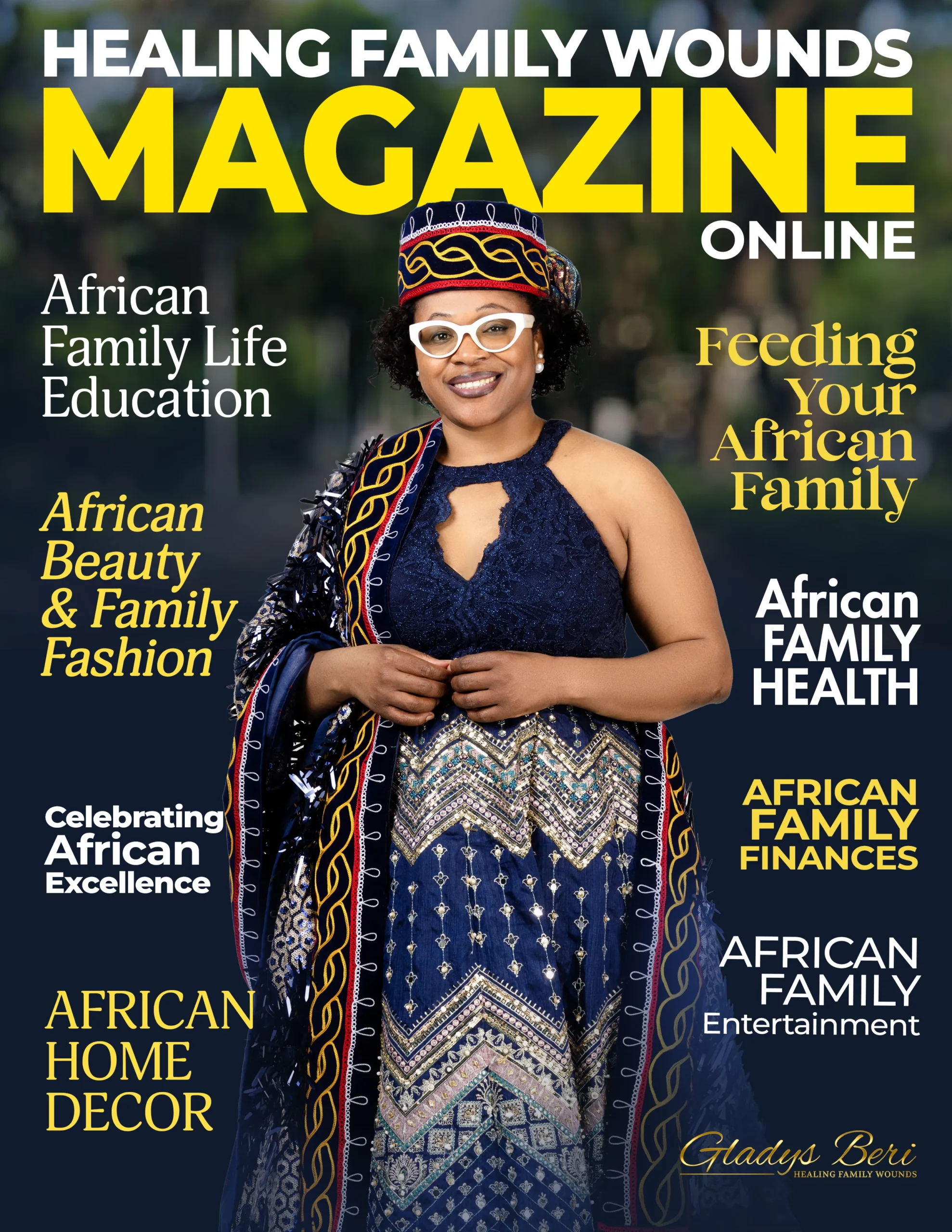
Join the Spring 2026 Edition
This biannual edition includes:
- In-depth feature articles
- Reflection prompts & family dialogue tools
- Culturally grounded frameworks (ROOTED)
- Youth, couples, and elders-specific sections
👉 Subscribe. Share. Heal together.
Healing Family Wounds Magazine
Because when families heal, communities heal.
releasing: March 27th, 2026